The Digital Detox Starter Kit: Reclaiming Your Focus
As an Amazon Associate I earn from qualifying purchases.
Breaking a phone addiction isn’t about willpower alone; it’s about changing your environment so that checking your phone becomes a conscious choice rather than a reflex. Use these tools to build a physical barrier between you and the digital noise.
1. The Physical Gatekeeper (Timed Lockbox)
If you can’t trust your self-control, outsource it to a machine. A timed lockbox physically prevents you from accessing your device for a set period, making it the ultimate tool for deep work or a “no-phone” evening.
- The Tool: A Kitchen Safe (kSafe) or similar timed locking container.
- The Strategy: Lock your phone away for the first hour of your morning and the last hour of your evening. This ensures your day starts and ends with your own thoughts, not an algorithm.

2. The Analog Replacement (Alarm Clock)
The “phone in the bedroom” is the #1 driver of sleep disruption and morning distractions. If your phone is your alarm, you’ve already lost the battle before you’re even out of bed.
- The Tool: A simple analog alarm clock or a sunrise lamp.
- The Strategy: Charge your phone in a completely different room (like the kitchen). Use the analog clock for your wake-up call to eliminate the temptation of the “infinite scroll” while you’re still under the covers.

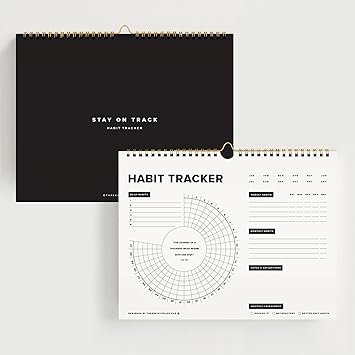
3. The Sensory Shift (Mechanical Habit Tracker)
Replacing a digital habit with a physical one provides a tactile reward that a screen can’t match. Seeing your progress in ink makes it harder to break the streak.
- The Tool: A dot-grid journal or a dedicated habit-tracking wall calendar.
- The Strategy: Don’t just track “not using my phone.” Track what you do instead—reading, drawing, or exercising. Use a bright red “X” for every day you stay under your screen-time goal.

4. The Grayscale Hack (Software Tweak)
Phones are designed to be “eye candy” with bright, saturated colors that trigger dopamine. By removing the color, you make the device significantly less appealing to your brain.
- The Action: Go into your phone’s Accessibility settings and turn on Grayscale.
- The Result: Instagram, TikTok, and YouTube suddenly look dull and uninteresting, making it much easier to put the phone down after checking a quick notification.
5. The “Boredom” Tool
We reach for phones because we are afraid of 30 seconds of boredom. Reintroduce a small, analog “fidget” or activity to keep your hands busy during transitions.
- The Tool: A pocket notebook, a fidget slider, or a physical book.
- The Strategy: Keep this tool in your pocket where your phone usually sits. When you feel the “phantom vibration” or the urge to reach for a screen, pull out the notebook and doodle or jot down a quick thought instead.


The 20-Foot Rule: Make it so you have to walk 20 feet to get your phone. The more “friction” you create, the more likely you are to stay focused on the task at hand.