Breathe Better: The Beginner’s Home Air Quality Starter Kit
As an Amazon Associate I earn from qualifying purchases.
We spend about 90% of our time indoors, yet we rarely think about what’s actually in the air we’re breathing. From dust and pet dander to “invisible” things like VOCs (chemicals from cleaners or furniture), poor air quality can lead to fatigue, headaches, and allergies.
The good news? You don’t need a lab-grade HVAC overhaul to fix it. If you’re ready to clear the air, here is the Core 4 gear list to get you started.
1. The “Brains”: Smart Air Quality Monitor
You can’t fix what you can’t measure. A dedicated monitor gives you real-time data on temperature, humidity, and pollutants.
- Top Pick: Amazon Smart Air Quality Monitor
- Why: It’s budget-friendly and integrates perfectly with Alexa. It tracks PM2.5 (fine dust), VOCs, and carbon monoxide.
- The Upgrade: Airthings View Plus
- Why: If you want the “pro” experience, this tracks Radon (a silent health hazard) and CO2, with a very easy-to-read e-ink display.


2. The “Worker”: HEPA Air Purifier
Once you know your air needs help, you need a machine to scrub it. Look for “True HEPA” filters, which capture 99.97% of particles.
- Top Pick: Blueair Blue Pure 311i Max
- Why: It’s incredibly quiet (important if you’re recording audio or sleeping!) and has a simple “Auto” mode that speeds up the fan only when it detects pollution.
- Best for Small Rooms: Levoit Core 300
- Why: Compact, reliable, and the replacement filters are affordable and easy to find on Amazon.


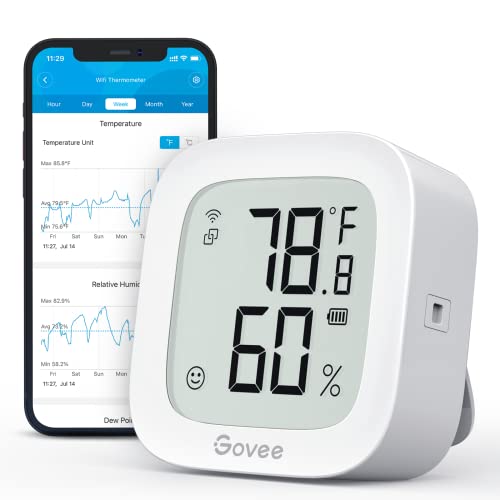
3. The “Humidity Helper”: Govee Hygrometer
High humidity leads to mold; low humidity leads to dry skin and throat irritation. A tiny sensor helps you find the “Goldilocks” zone (usually 30–50%).
- Top Pick: Govee WiFi Thermometer Hygrometer
- Why: It’s the size of a matchbook and sends alerts to your phone if the humidity spikes or drops too low.
4. The “Quick Fix”: Window Ventilation Fan
Sometimes the best air purifier is just… the outside. If your monitor shows high CO2 (common when rooms are closed up), you need a “flush.”
- Top Pick: Bionaire Dual Window Fan
- Why: It fits in most standard windows and can be set to “Exhaust” to pull stale air out or “Intake” to bring fresh air in.

Pro Tip for Beginners:
Place your Air Quality Monitor at breathing height (like on a nightstand or desk) rather than high on a shelf. This gives you the most accurate reading of the air you are actually inhaling!