The ASMR Recording Starter Kit: Most Sensitive Microphones for Beginners
As an Amazon Associate I earn from qualifying purchases.
The magic of ASMR lies in the details—the crisp crinkle of paper, the softest whisper, or the rhythmic tap on a wooden surface. To capture these sounds effectively, you can’t just use any microphone; you need high sensitivity and a low “self-noise” floor.
If you’re just starting your journey into creating tingle-inducing content, you don’t need a $1,000 setup. Here is the ultimate starter kit for beginner ASMRtists, focusing on the most sensitive microphones that offer the best bang for your buck.
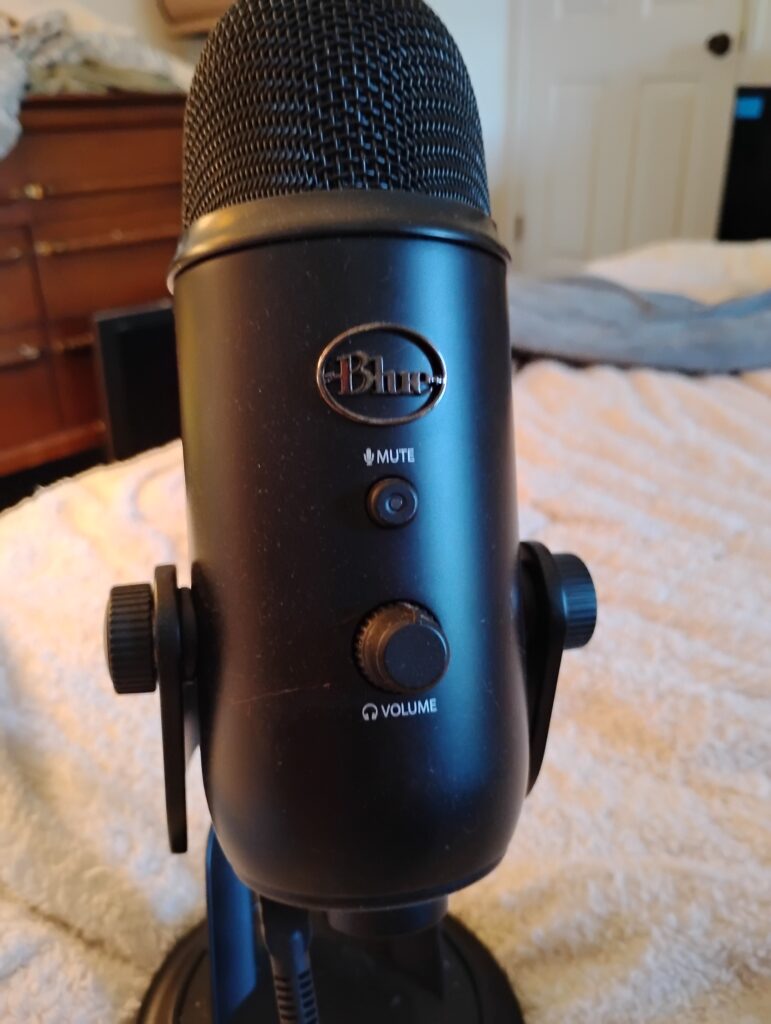
1. The “Gold Standard” Entry Point: Blue Yeti
The Blue Yeti has been the face of ASMR for years, and for good reason. It is a USB microphone, meaning you don’t need an extra audio interface—just plug it into your computer and start recording.
- Why it’s great for ASMR: It features a Stereo Mode. ASMR is best experienced in “binaural” or stereo sound, allowing listeners to feel like you are moving from their left ear to their right.
- Sensitivity: High enough to catch whispers, though you’ll need to keep your gain levels moderate to avoid “hiss.”
Note: I own this mic and love it. I’ve used it for podcasts before.

2. The Budget Powerhouse: Samson Q2U
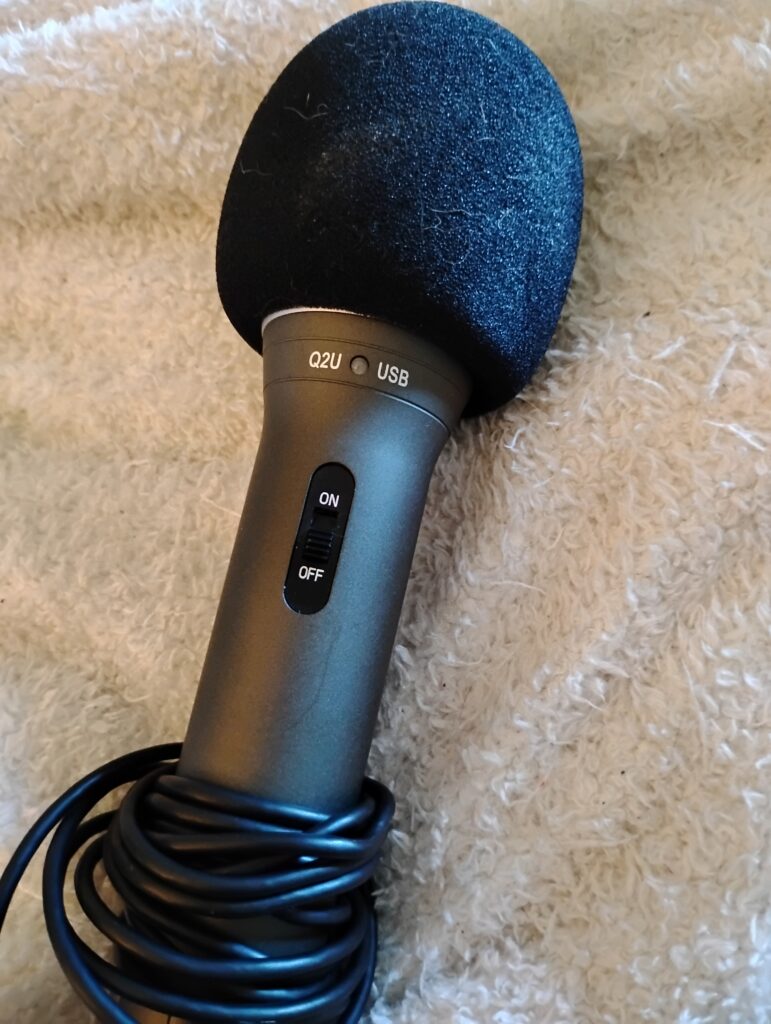
While technically a dynamic microphone (which are usually less sensitive), the Samson Q2U is a secret weapon for beginners recording in non-soundproofed rooms.
- Why it’s great for ASMR: If you live in a noisy neighborhood, this mic is excellent at ignoring background noise while still capturing clear vocal triggers.
- Best Use: Up-close whispering and “mouth sounds.”
I own this mic too. Love it.

3. The Professional Step-Up: Rode NT1 (5th Gen)
If you’re willing to spend a bit more for “ultra-low noise,” the Rode NT1 is legendary. It is one of the quietest microphones in the world.
- Why it’s great for ASMR: It has a self-noise of only 4dBA. This means you can turn the volume up very high to hear tiny sounds without hearing that annoying “shhh” electronic hiss in the background.
- Note: The 5th Gen version offers both USB and XLR connections, making it future-proof.

🛠️ Essential Accessories for Your Kit
A sensitive microphone is only half the battle. To get that professional “tingle” quality, you’ll need these three items:
| Accessory | Why You Need It |
| Pop Filter | Prevents “plosives” (the harsh ‘P’ and ‘B’ sounds) from peaking the audio. |
| Shock Mount | Absorbs vibrations from your desk so a bumped table doesn’t sound like an earthquake. |
| Windscreen (Deadcat) | Essential for “ear blowing” or “brushing” triggers to prevent wind distortion. |
💡 Quick Tips for Your First Session
- Monitor in Real-Time: Always wear headphones while recording. This allows you to hear exactly what your audience hears and adjust your distance from the mic.
- The “Gain” Rule: Keep your gain (input volume) lower on the mic and boost it later in editing. This usually results in a cleaner, more professional sound.
- Symmetry is Key: If using a stereo mic, try to keep your movements balanced between the left and right sides to keep the listener “centered.”
Ready to start your channel? Whether you’re doing “fast and aggressive” or “slow and soothing,” these tools will ensure your audience feels every single vibration.